
Introduction
GIS substation projects involve multiple critical stages, from feasibility studies and design to installation and commissioning. Gas-insulated substations (GIS) are widely adopted in modern power infrastructure due to their compact design, high reliability, and operational efficiency. This article provides a comprehensive overview of the complete journey from concept to commissioning.
1. Understanding GIS Substation
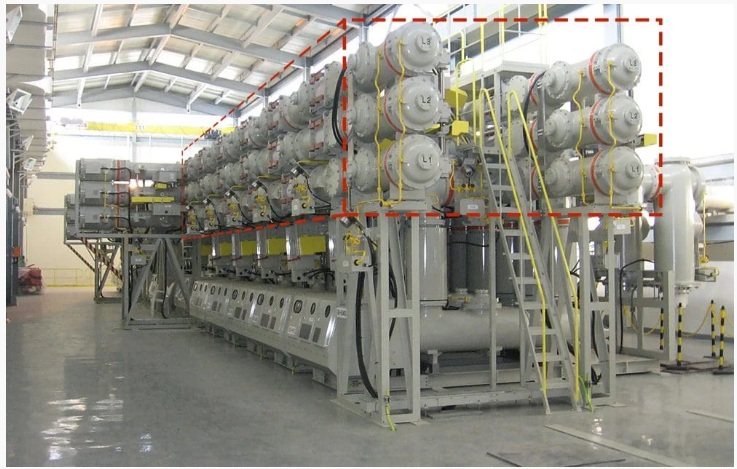
A Gas Insulated Substation (GIS) utilizes sulfur hexafluoride (SF₆) gas as an insulating medium within sealed metal enclosures. This technology enables efficient power transmission and distribution while significantly reducing space requirements compared to Air Insulated Substations (AIS).
To understand how GIS compares with conventional systems, refer to our article on Key Differences Between GIS and AIS Substations.
Key Advantages of GIS
- Compact footprint—up to 70% smaller than AIS
- High reliability and operational safety
- Minimal maintenance requirements
- Reduced exposure to environmental conditions
- Enhanced protection against pollution and humidity
- Ideal for urban and indoor installations
For further insights, explore GIS Substations: Key Advantages and Applications.
Typical Applications
- Urban and metropolitan substations
- Industrial and commercial complexes
- Data centers and IT parks
- Airports and metro rail systems
- Renewable energy projects
- Offshore and underground installations
2. Feasibility Study for GIS Substation
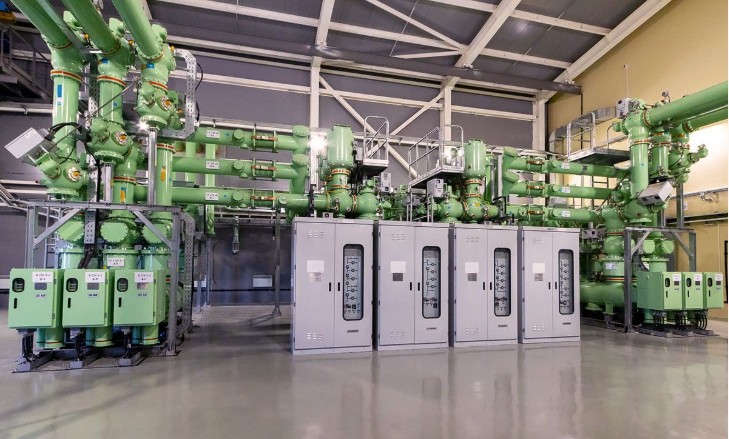
Every successful GIS project begins with a thorough feasibility analysis to evaluate technical, financial, and environmental viability.
Key Activities
- Load assessment and demand forecasting
- Selection of appropriate voltage levels (33 kV to 765 kV)
- Techno-commercial comparison of GIS vs. AIS
- Grid connectivity and power availability analysis
- Site selection and environmental considerations
- Preliminary budgeting and project scheduling
Key Deliverables
- Feasibility and concept reports
- Preliminary Single Line Diagrams (SLDs)
- Conceptual layouts
- Budgetary cost estimates
A detailed technical evaluation is essential during project planning. Learn more in Due Diligence Report for EHV Power Supply.
3. Statutory Approvals and Regulatory Compliance for GIS Substation
Compliance with regulatory requirements is essential for ensuring safety, reliability, and legal conformity.
Major Approvals
- Utility and grid connectivity approvals
- Chief Electrical Inspector to Government (CEIG) approvals
Applicable Standards
- IEC 62271 Series
- Central Electricity Authority (CEA) Regulations
- IEEE Standards and Guidelines
- National and State Electrical Codes
For a comprehensive understanding of regulatory requirements, refer to Key Statutory Approvals for Power Connectivity
4. Detailed Engineering and Design of GIS Substation
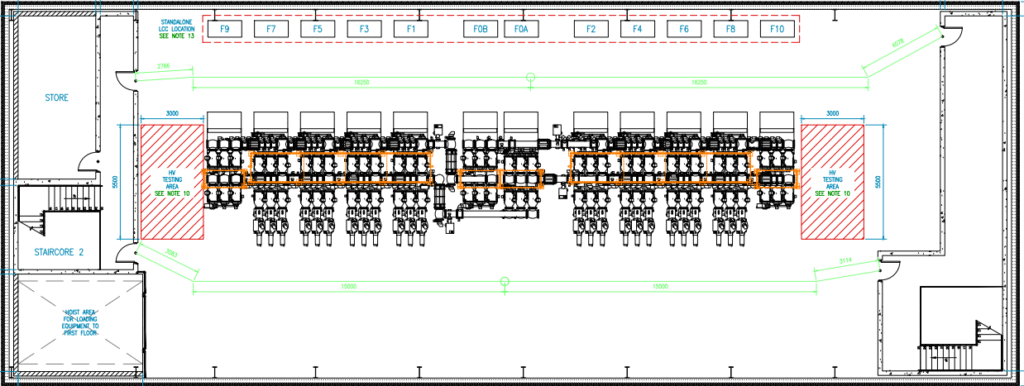
This phase translates conceptual plans into actionable technical designs.
Engineering Scope
- Preparation of Single Line Diagrams (SLDs)
- Selection of busbar configurations
- Insulation coordination and short-circuit analysis
- Protection and control system design
- SCADA and substation automation integration
- Earthing and lightning protection systems
- Cable routing and termination planning
- Development of BOQs and technical specifications
5. Procurement of GIS
Strategic procurement ensures high-quality equipment and timely project execution.
Key Steps
- Preparation of tender documents
- Technical and commercial bid evaluations
- Vendor prequalification and selection
- Quality assurance and inspection planning
- Contract negotiation and award
Leading GIS Manufacturers
- Siemens Energy
- Hitachi Energy
- GE Grid Solutions
- Schneider Electric
6. Manufacturing and Factory Acceptance Testing (FAT)
The manufacturing stage ensures that equipment meets project specifications and quality standards.

Activities Involved
- Fabrication and assembly of GIS modules
- Routine and type testing
- Factory Acceptance Testing (FAT)
- Documentation and certification
- Inspection and dispatch clearance
7. Civil Works and Site Preparation
Robust infrastructure is essential for seamless GIS installation and operation.
Scope of Work
- Construction of GIS buildings and foundations
- Development of cable trenches and basements
- Earthing grid installation
- Fire detection and suppression systems
- HVAC and ventilation systems
- Oil containment and drainage arrangements
8. Installation and Erection
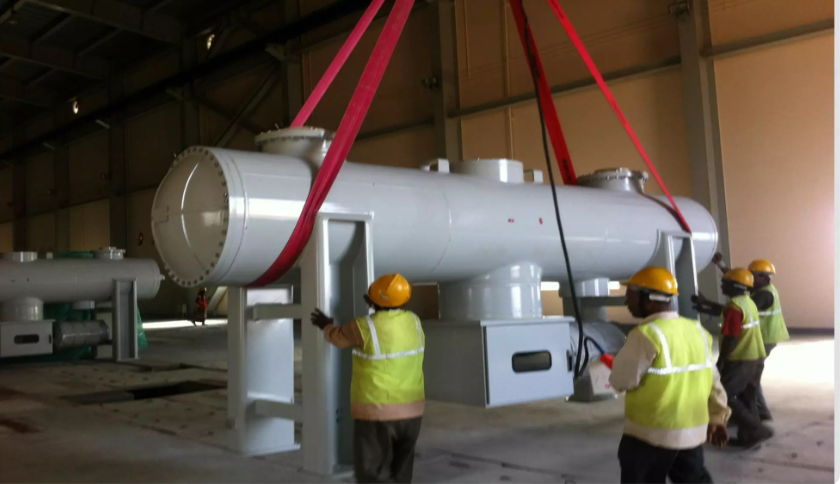
This stage involves assembling and integrating GIS equipment at the project site.
Key Activities
- Receipt, storage, and handling of equipment
- Assembly of GIS modules
- SF₆ gas filling and leak testing
- Installation of control and protection panels
- Power and control cable termination
- Integration with transformers and transmission lines
9. Testing and Commissioning
Comprehensive testing ensures safety, compliance, and operational readiness.
Pre-Commissioning Tests
- Insulation resistance and contact resistance tests
- Functional and interlock checks
- Gas quality and leakage tests
- Protection relay testing and calibration
- SCADA and communication validation
Final Stages
- Site Acceptance Testing (SAT)
- Energization and synchronization
- Performance verification
- Final documentation and handover
10. Operation and Maintenance
Proper maintenance ensures long-term reliability and efficiency.
Maintenance Strategies
- Preventive and predictive maintenance
- Continuous SF₆ gas monitoring
- Periodic inspections and diagnostics
- Digital monitoring and asset management
- Lifecycle cost optimization
11. Challenges and Risk Mitigation
Understanding potential risks enables successful project delivery.
Common Challenges
- High initial capital investment
- Long manufacturing lead times
- Skilled manpower requirements
- Complex logistics and installation
- Regulatory and environmental constraints
Mitigation Strategies
- Early-stage planning and stakeholder coordination
- Engagement of experienced consultants and EPC contractors
- Adherence to international standards
- Effective project management and quality assurance
12. Conclusion
Gas Insulated Substations are revolutionizing modern power infrastructure with their compact design, reliability, and efficiency. From feasibility studies and regulatory approvals to engineering, installation, and commissioning, each phase plays a critical role in project success.
This blog serves as a strategic roadmap for stakeholders involved in GIS substation development. In the upcoming series, each stage will be explored in detail to provide deeper technical insights and practical guidance.
References
Reference Standards and Authorities
- Central Electricity Authority (CEA) – https://cea.nic.in/
- IEEE Power & Energy Society – https://www.ieee-pes.org/
Upcoming Blogs in This Series
Feasibility Study and Planning for GIS Substations
Statutory Approvals Required for GIS Projects in India
Detailed Engineering and Design of GIS Substations
Procurement and Vendor Evaluation for GIS Equipment
Installation and Commissioning Best Practices for GIS
Operation and Maintenance Strategies for GIS Substations